Why Safe Structural Demolition In Detroit MI Protects Communities
Wiki Article
Interior Selective Demolition In Detroit MI
Interior selective demolition in Detroit, MI, is improving the landscape of city revival. This technique allows for the cautious elimination of non-structural components, protecting the personality of historical buildings. It advertises and supplies financial benefits sustainability with material reuse. A number of effective tasks show its capacity. Nonetheless, the ramifications of this approach prolong past simple looks. Comprehending the broader effect on the community and setting increases important concerns for Detroit's future.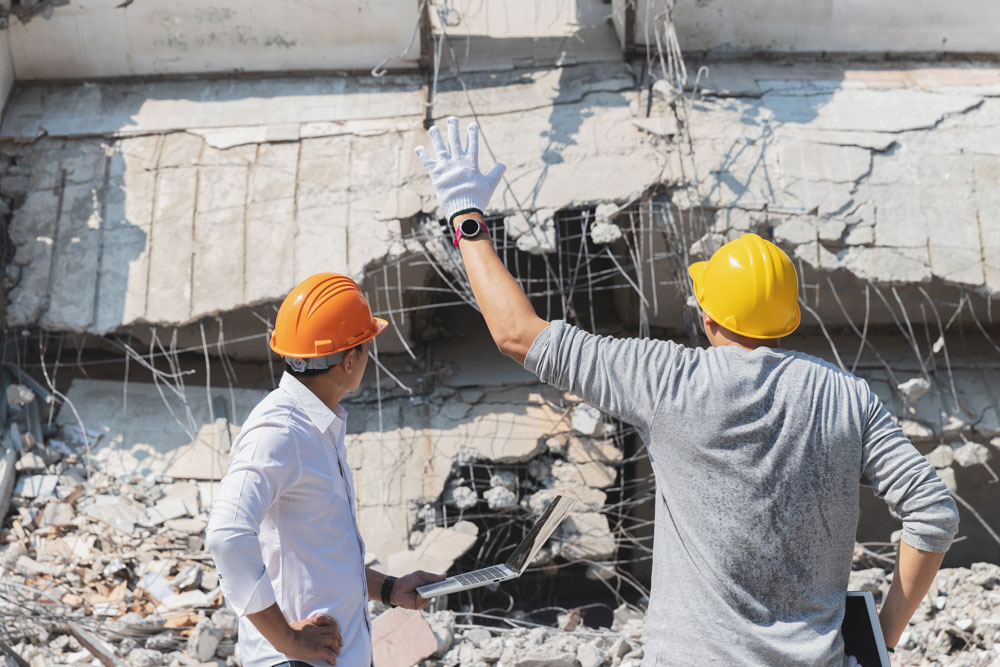
The Advantages of Interior Selective Demolition
Interior selective demolition supplies many benefits for homeowner and designers in Detroit, MI. This procedure enables certain elimination of non-structural elements, such as walls, components, and floor covering, without endangering the stability of the total framework. By targeting only the locations that need renovation, homeowner can conserve time and decrease expenses linked with complete demolition.Additionally, selective demolition promotes sustainability by enabling the salvage and recycling of materials, therefore lessening waste. This eco aware technique aligns with the growing fad of environment-friendly building and construction methods. Moreover, selective demolition can help with quicker project timelines, as it generally involves much less disturbance to surrounding locations compared to considerable demolition initiatives.
Ultimately, the strategic execution of indoor selective demolition enhances the performance of remodelling tasks, leading to enhanced functionality and visual charm for existing homes in Detroit's advancing metropolitan landscape. (demolition contractor detroit)
Trick Considerations for Selective Demolition Projects
When planning a selective demolition project, several crucial considerations should be resolved to guarantee its success. To start with, detailed assessments of the existing framework are necessary to recognize products that need elimination and those that needs to be protected. Understanding regulatory requirements, including permits and safety codes, is essential to guarantee compliance and prevent legal problems.Developing a comprehensive plan that describes the extent of work, timelines, and budget is critical for efficient project administration. Involving seasoned experts can minimize dangers linked with dangerous materials, such as asbestos or lead.
The Process of Selective Demolition Discussed
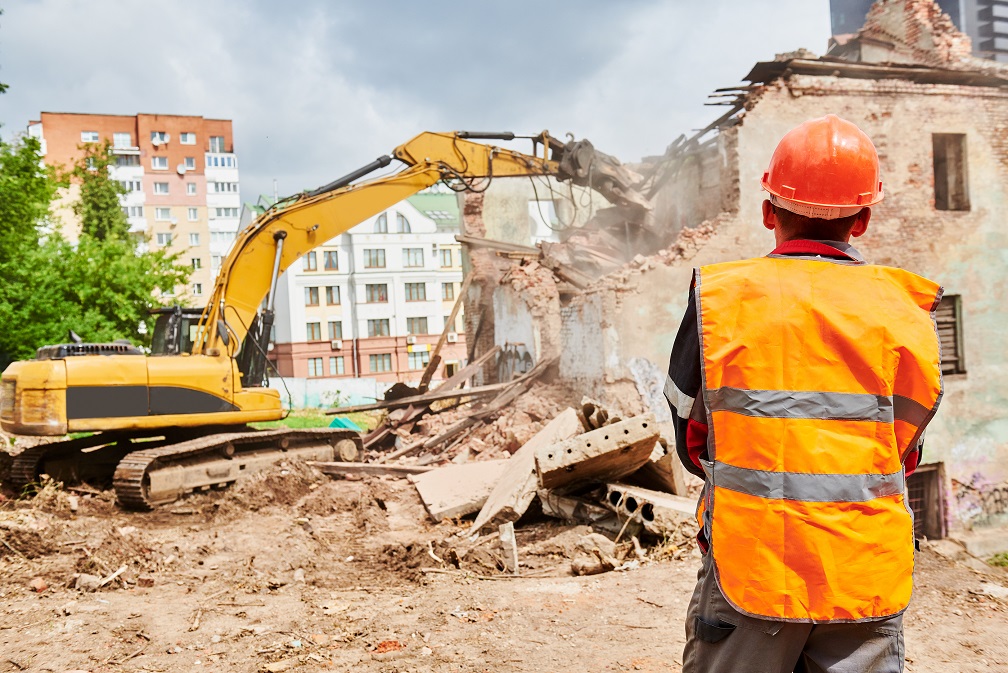
Selective demolition includes a methodical approach that prioritizes the careful removal of certain architectural aspects while maintaining the integrity of the surrounding environment. The procedure begins with a comprehensive analysis of the website, determining which components need to be removed and which have to be kept. Following this assessment, a thorough demolition strategy is developed, describing click now security measures and waste monitoring approaches.As soon as the strategy remains in place, the demolition group prepares the site by safeguarding needed authorizations and ensuring that utilities are disconnected. The actual demolition process utilizes specialized strategies and devices to take down targeted frameworks, such as components, ceilings, and walls, reducing waste and noise. Throughout the procedure, mindful monitoring is conducted to attend to any unpredicted difficulties. The website is cleaned up, with recyclable products sorted and harmful waste disposed of suitably, guaranteeing that the surrounding setting stays secure and uninterrupted for future usage.
Case Researches: Effective Tasks in Detroit
Successful projects in Detroit highlight the efficiency of selective demolition in revitalizing metropolitan areas. One remarkable situation entailed the improvement of a previous commercial website right into a lively mixed-use advancement. Selective demolition permitted the mindful elimination of unsafe products while maintaining structural aspects, making it possible for the integration of contemporary amenities with historic style.Another project included the repurposing of an old stockroom right into an area arts center. The selective approach promoted the removal of non-essential interiors, producing open rooms excellent for artistic undertakings while keeping the building's character.
Additionally, a residential conversion showcased just how selective demolition might adjust out-of-date frameworks for modern living. By removing obsolete systems and indoor dividers, the project revived the structure, promoting and drawing in new locals neighborhood interaction.
These examples illustrate just how selective demolition not just boosts safety and performance yet likewise adds to Detroit's ongoing urban revival efforts.
The Future of Selective Demolition in Urban Rejuvenation
A boosting number of city planners and developers are recognizing the capacity of selective demolition as an essential method for rejuvenating cities. This approach permits the careful elimination of specific interior elements, enabling the conservation of historically substantial frameworks while including modern-day usages. As cities like Detroit grapple with maturing framework and a need for sustainable growth, selective demolition supplies a sensible service to repurpose have a peek here existing buildings.
The future of selective demolition depends on its integration with sustainable practices. By recycling products and decreasing waste, cities can decrease their ecological impact while promoting economic growth (demolition contractor map image source listing detroit). Additionally, this technique promotes area engagement, as local stakeholders typically join the decision-making process pertaining to which structures to preserve or change. As city revitalization efforts gain momentum, selective demolition is likely to play an increasingly critical role in forming the landscapes of tomorrow's cities, blending background with advancement
Often Asked Inquiries
What Allows Are Required for Interior Selective Demolition in Detroit?
A demolition license is normally required, together with any essential ecological permits, especially if hazardous materials exist. In addition, conformity with local building ordinance and laws is important for lawful and safe demolition practices.How much time Does an Average Selective Demolition Task Take?
An average selective demolition task commonly takes between one to 3 weeks, relying on the project's dimension, intricacy, and the degree of the job needed. Factors such as site problems and allowing might also influence the timeline.Are There Certain Security Rules for Selective Demolition?
What Kinds Of Products Can Be Salvaged During Demolition?
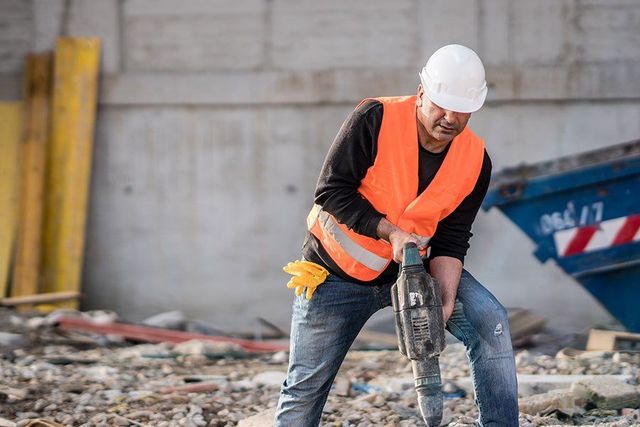
Various products can be restored during demolition, including wood, steel, components, blocks, and concrete. Reusable products boost sustainability by decreasing waste, while giving opportunities for reusing and repurposing in brand-new construction or renovation projects.How Much Does Interior Selective Demolition Commonly Expense?
Normally, indoor selective demolition expenses vary from $2 to $10 per square foot, depending upon variables such as task intricacy, product types, and neighborhood labor rates, affecting total expenses for both household and industrial residential or commercial properties.Interior selective demolition in Detroit, MI, is reshaping the landscape of city revival. Interior selective demolition uses various advantages for residential property proprietors and designers in Detroit, MI. When preparing a discerning demolition job, numerous key considerations have to be dealt with to guarantee its success. Effective tasks in Detroit highlight the effectiveness of selective demolition in rejuvenating urban areas. A typical selective demolition project commonly takes in between one to 3 weeks, depending on the task's size, complexity, and the level of the work needed.
Report this wiki page